A new order has just been published, and a major deadline is approaching this autumn. Whether you're preparing a buy-to-let purchase or a new letting, here's what you need to understand before signing a lease this summer.
In Paris, rent is capped. But a legal exception — the rent supplement (complément de loyer) — allows landlords to exceed that cap. Misused, it can backfire on the landlord. The courts reminded everyone of this again in spring 2026, invoices in hand.
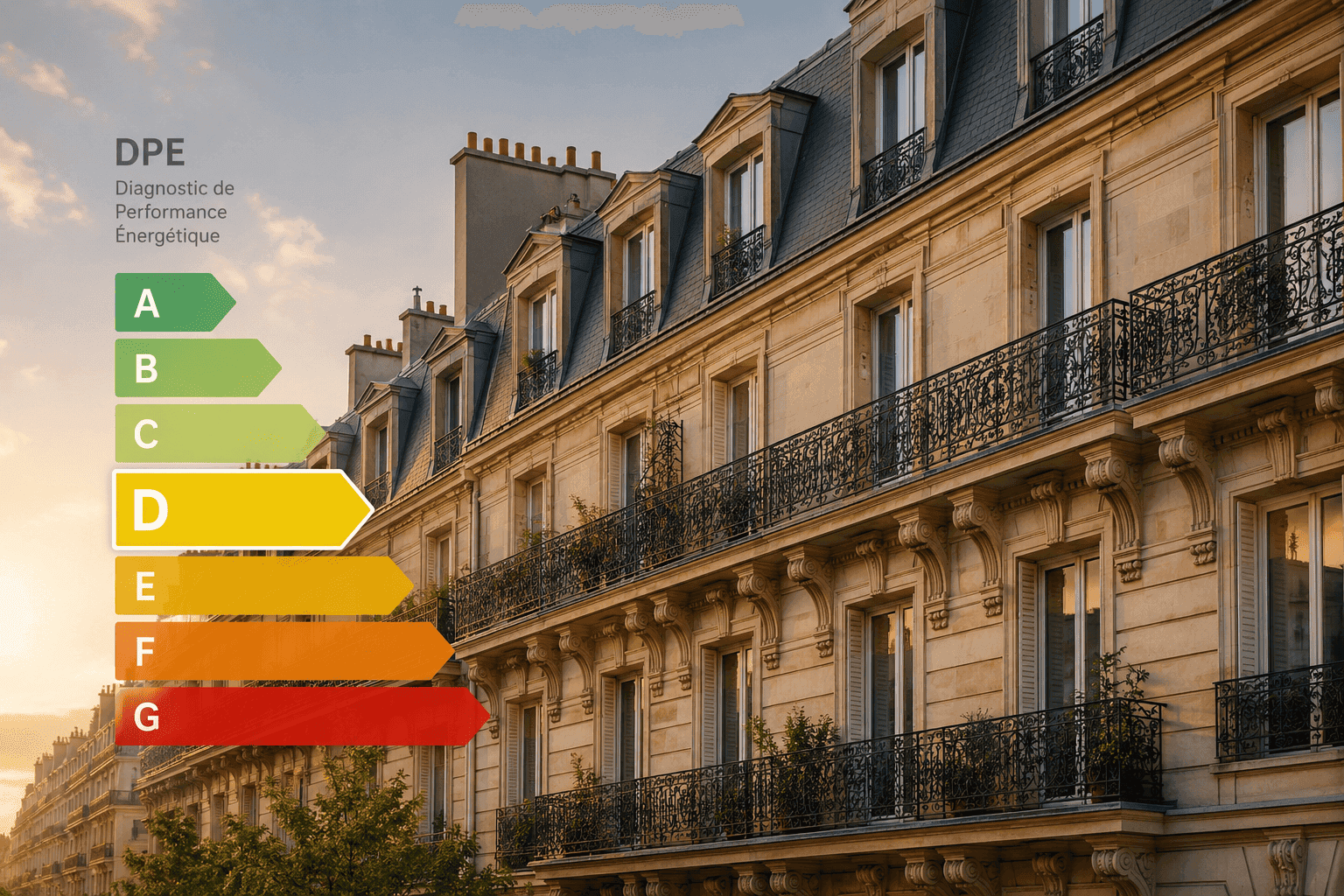
Since 1 January 2026, a discreet technical change has reclassified hundreds of thousands of properties — without a single wall being insulated. If you're buying to let in Paris, this reform could turn an “unlettable” property into an opportunity.
The property hunter (chasseur immobilier) is still little known to the general public. Yet in a tight, time-consuming Paris market, it is often the most effective way to find the right property, fast.
Prices have corrected. Rents are capped. Charges are rising. Investing in buy-to-let property in Paris in 2026 is still a good idea — provided you adjust your expectations.
The Paris rental market in spring is the most competitive of the year. To find a home before everyone else, it's not enough to search harder — you need to search differently.
The price per square metre is advertised everywhere. Service charges (charges de copropriété), on the other hand, are often discovered too late. Yet they can turn a “good buy” into a poor investment.
Seasonality in the Paris property market is real and well documented. And for buyers, spring offers a unique strategic window — provided you know how to make the most of it.